Short Answer
Yes, wood fencing can be good for livestock—especially horses and small herds—because it offers visibility, strength, and a solid physical barrier. However, it requires higher upfront cost and ongoing maintenance. It works best in controlled environments, paddocks, and perimeter areas where safety and appearance matter more than large-scale cost efficiency.
Why This Question Matters
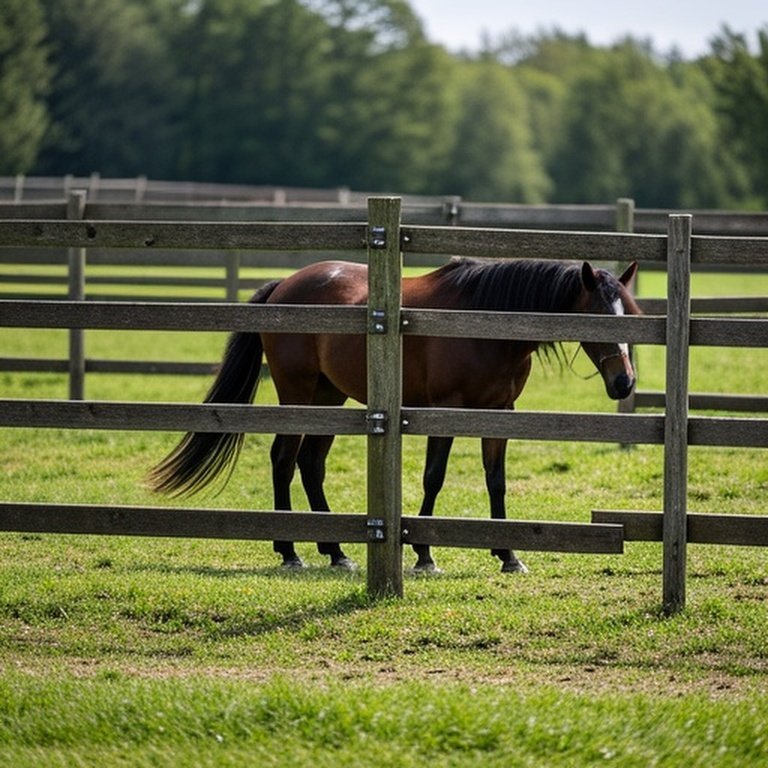
Fencing is one of the most expensive and permanent investments on a farm or ranch. Choosing wood fencing affects safety, long-term maintenance, and overall operational costs. Many livestock injuries, escapes, and repair problems stem from mismatched fencing systems. Wood fencing looks sturdy and traditional, but it behaves differently from wire systems under pressure and weather exposure. Understanding whether wood is truly suitable for your livestock helps prevent costly rebuilding and ensures your fence matches animal behavior, land conditions, and management style.
Key Factors to Consider
- Type of livestock and their pressure behavior
- Fence purpose: perimeter, paddock, or interior division
- Climate exposure and moisture levels
- Maintenance capacity and long-term repair budget
- Safety priorities versus cost efficiency
Detailed Explanation
Wood fencing provides a strong, visible barrier that animals can clearly recognize. This visibility reduces accidental collisions, which is especially important for horses. The solid structure also discourages pushing compared to flexible wire systems. For smaller operations, paddocks, and training areas, wood fencing often performs reliably and improves overall safety.
However, wood behaves differently under sustained livestock pressure. Unlike flexible wire systems that absorb force, wood fencing relies on rigid boards and posts. When animals lean or crowd repeatedly, stress concentrates at nails, screws, and post joints. Over time, this can loosen boards or cause structural failure if not maintained properly.
Weather exposure plays a major role in lifespan. Moisture, freeze-thaw cycles, and insect damage gradually weaken untreated wood. Even treated lumber requires inspection and occasional replacement. Compared to high-tensile or woven wire systems, wood fencing demands more routine attention.
Cost is another major consideration. Wood fencing typically costs more upfront due to lumber, hardware, and closer post spacing. Labor can also be higher because installation requires alignment and secure fastening. For large acreage, the total investment increases quickly.
The short answer holds true because wood fencing works very well in specific scenarios—particularly with horses and controlled livestock groups—but becomes less practical at scale. Its success depends heavily on livestock type, climate, and the operator’s willingness to maintain it consistently.
How Cattle Behavior Affects This Choice
Cattle apply steady, repetitive pressure by leaning and rubbing. This behavior gradually loosens wood boards and fasteners. In high-pressure areas like feeding zones or corners, wood fencing may require reinforcement.
For calm herds with adequate space, wood fencing performs reasonably well. However, in large groups or confined areas, flexible wire systems often handle distributed pressure more effectively. Matching fence rigidity to cattle pressure patterns reduces maintenance and improves longevity.
Calves vs Mature Cattle Considerations
Calves exert minimal force, making wood fencing more than adequate in early growth stages. As cattle mature, body weight and pressure increase significantly. Boards that once held securely may loosen over time.
If long-term use is planned, installing heavier posts and reinforced rails from the start prevents premature repairs. Planning for mature livestock ensures that the fence remains reliable throughout the herd’s lifecycle.
Terrain, Visibility, and Pressure Zones
Wood fencing performs best on relatively level terrain. Uneven ground creates gaps that require precise installation. Unlike flexible wire, wood does not easily conform to terrain changes.
Visibility is one of wood fencing’s strengths. Animals clearly see solid boards, reducing accidental impact. Pressure zones—corners, gates, and high-traffic paths—should be reinforced to prevent board separation or post shifting.
When This Works Well
- Horse paddocks and training areas
- Small cattle herds in controlled environments
- Farms prioritizing visibility and aesthetics
- Level terrain with good drainage
- Operations willing to perform regular maintenance
When This Is Not Recommended
- Large acreage perimeter fencing
- High-pressure or crowded livestock areas
- Wet climates without drainage planning
- Operations seeking minimal maintenance
- Budget-sensitive large-scale installations
Alternatives or Better Options
For large-scale cattle operations, high-tensile wire often delivers better cost efficiency and durability. Woven wire provides stronger containment for mixed livestock. Many farms combine wood fencing in visible paddocks with wire systems for perimeter lines. Hybrid approaches frequently offer the best balance of safety, longevity, and cost control.
Cost, Safety, and Practical Notes
Wood fencing typically carries higher material and labor costs than wire systems. Long-term expenses include board replacement, post repair, and hardware tightening. However, safety advantages—especially for horses—can justify the investment. Practical success depends on climate planning, proper post depth, and regular inspection. Choosing wood fencing should be a strategic decision based on livestock behavior, scale, and maintenance commitment rather than aesthetics alone.
Quick Takeaway
Wood fencing is a strong, visible, and safe option for livestock—particularly horses and small herds—but requires consistent maintenance and higher investment. It excels in controlled environments and visible paddocks, while wire systems often outperform it in large-scale perimeter applications.