
Electric Fence Maintenance & Troubleshooting Guide
Overview
Even a properly installed electric fence can fail over time without regular inspection and maintenance. Vegetation growth, poor grounding, damaged insulators, lightning strikes, and undersized energizers are among the most common causes of voltage loss.
This Electric Fence Maintenance & Troubleshooting Guide explains how to diagnose low voltage issues, test fence output, inspect grounding systems, prevent shorts, maintain energizers, and perform seasonal inspections. It is designed for livestock producers, rotational grazing systems, and predator-control setups.
This guide focuses specifically on maintenance and diagnostics—not installation layout or energizer selection. For installation guidance, see the Electric Fence Installation Guide. For power system information, review the Electric Fence Chargers & Energizers Guide.
YouTube search queries: “electric fence troubleshooting low voltage fix tutorial” or “how to test and maintain electric fence system”
What This Guide Covers
How to Test Electric Fence Voltage
Testing electric fence voltage using digital fence testers is the foundation of proper maintenance. These handheld devices measure voltage at various fence points, revealing whether the system delivers adequate shock to contain livestock and deter predators effectively.
Proper testing technique involves checking voltage at the energizer output, at multiple points along the fence line (near, middle, and far from energizer), and at ground return systems. Voltage readings should meet minimum thresholds for target species—typically 3,000+ volts for cattle, 4,000+ volts for sheep and goats, and 5,000+ volts for predator deterrence. For detailed testing procedures and interpreting results, visit the Voltage Testing Guide.
How to Test Electric Fence Voltage
Common Causes of Low Voltage
Common causes of low voltage include vegetation contact creating current leakage paths, inadequate or corroded grounding systems, broken or damaged wires interrupting circuit continuity, cracked insulators allowing current to flow through posts, undersized energizers for fence length, and corroded connections increasing circuit resistance.
Systematic troubleshooting involves isolating fence sections, checking voltage at connection points, inspecting for visible damage, and testing ground system performance. Most voltage problems have straightforward solutions once identified. For diagnostic procedures and repair techniques, see the Low Voltage Troubleshooting guide.
Grounding System Inspection
Grounding system inspection is critical because inadequate grounding causes more electric fence failures than any other single factor. The ground system completes the electrical circuit—when performance degrades, even powerful energizers cannot deliver effective shock.
Inspection involves checking ground rod connections for corrosion, testing soil moisture around rods, verifying proper rod depth and spacing (typically three 6-foot rods spaced 10 feet apart), and measuring ground system resistance. Dry conditions or sandy soils may require additional ground rods. For inspection checklists and upgrade procedures, see the Grounding System Guide.
Insulator & Post Inspection
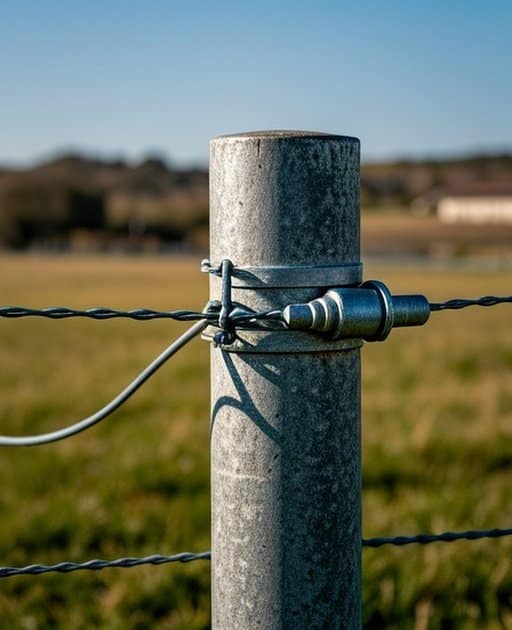
Insulator and post inspection prevents shorts caused by cracked, broken, or UV-degraded insulators that allow current to flow through posts to ground rather than through the intended circuit. Plastic insulators become brittle over time from sun exposure, while porcelain types may crack from impact or frost.
Regular inspection should check for visible cracks, loose mounting, wire contact with posts or vegetation, and secure attachment to posts. Replace damaged insulators immediately—even small cracks can drain significant voltage. For insulator types, replacement schedules, and installation techniques, see the Insulator Maintenance guide.
Lightning & Surge Protection
Lightning and surge protection systems prevent expensive energizer damage from electrical storms. Lightning arrestors and diverters installed on fence lines and at energizer terminals divert surge energy safely to ground before reaching sensitive electronics.
Even indirect lightning strikes near fence systems can induce damaging voltage surges. Protection devices are inexpensive insurance compared to energizer replacement costs ($150–$500). Proper grounding systems also provide lightning protection pathways. For device selection and installation guidance, see the Lightning Protection guide.
Seasonal Electric Fence Maintenance Checklist
seasonal electric fence maintenance checklist provides systematic inspection routines for spring startup and winter shutdown. Spring maintenance includes voltage testing after winter dormancy, checking for wire damage from snow load or animal activity, inspecting insulators for frost damage, clearing accumulated debris, and testing battery or solar system function.
Fall maintenance prepares systems for winter with comprehensive voltage testing, vegetation clearing before dormancy, protecting solar panels and batteries from extreme cold, and documenting any needed spring repairs. Regular seasonal maintenance prevents surprises during peak livestock management periods. For complete checklists and timing recommendations, see the Seasonal Maintenance guide.
Seasonal Maintenance Checklist
Vegetation Control Around Electric Fences
Vegetation control around electric fences prevents shorts caused by weeds, grasses, and brush touching wires. Each contact point drains voltage and reduces shock effectiveness—heavy vegetation loads can reduce fence voltage by 50% or more, allowing livestock escapes.
Control methods include mowing or string trimming beneath wires, herbicide application in fence corridors, grazing management that prevents tall vegetation growth, and installing fence heights that minimize contact. Regular vegetation management is less expensive than livestock loss from escaped animals. For control strategies and timing, see the Vegetation Control guide.
Vegetation Control Around Electric Fences
Battery & Solar Charger Maintenance
Battery and solar charger maintenance ensures reliable power delivery for DC and solar-powered systems. Battery maintenance includes checking charge levels monthly, cleaning terminal connections to prevent corrosion, ensuring adequate water levels in flooded batteries, and replacing batteries showing reduced capacity (typically every 2–4 years).
Solar system maintenance involves cleaning panels to maximize charging efficiency, inspecting wiring for damage, verifying charge controller function, and positioning panels for optimal sun exposure throughout seasons. For maintenance schedules and troubleshooting procedures, see the Solar Charger Installation guide.
Battery & Solar Charger Maintenance
When to Replace an Energizer
Identifying when to replace an energizer prevents system failures during critical periods. Signs of aging or inadequate energizers include consistently low voltage despite proper grounding and no shorts, visible damage to housing or circuitry, intermittent operation or irregular pulsing, increasing energy consumption without performance improvement, and inadequate power for current fence length or livestock needs.
Energizers may also need replacement when expanding fence systems beyond original design capacity. Modern energizers offer improved efficiency and output compared to units 10+ years old. For sizing calculators and replacement recommendations, see the Electric Fence Chargers & Energizers Guide.
Safety Inspection Guidelines
Safety inspection guidelines ensure compliance with regulations and safe operation for both livestock and humans. Regular safety checks include verifying warning signage is visible and legible, testing that voltage output meets but does not exceed safety standards, inspecting lead-out cables for damaged insulation, ensuring proper grounding prevents dangerous voltage accumulation, and checking that fences near public areas meet local regulations.
Safety inspections protect against liability and ensure effective livestock management. For compliance checklists и regulatory requirements, see the Electric Fence Safety Standards guide.
Common Decision Scenarios
If Fence Voltage Suddenly Drops
When voltage suddenly drops, check the grounding system and vegetation contact first—these account for 70–80% of sudden voltage loss. Test ground system resistance, inspect fence line for new vegetation growth or fallen branches, and check connections at energizer terminals.
Systematic isolation of fence sections helps locate problems—disconnecting sections and testing each individually identifies fault locations. For diagnostic procedures and quick fixes, see the Grounding System Guide.
Grounding System Troubleshooting
If Predator Breaches Increase
Increasing predator breaches indicate inadequate voltage delivery. Upgrade energizer output to 5–10 joules for stronger deterrence, repair voltage shorts that reduce shock effectiveness, add additional hot wires at nose height (6–10 inches), and improve grounding in dry conditions.
Regular voltage testing helps identify degrading performance before predators discover weak sections. For predator-specific strategies, see the Wildlife & Predator Fencing Guide.
Predator Deterrence Troubleshooting
If Fence Is Older Than 5 Years
Fences older than 5 years require comprehensive inspection of insulators for UV damage and cracking, wire tension and corrosion, ground rod condition and connections, energizer output compared to original specifications, and vegetation encroachment patterns.
Aging systems often need insulator replacement, additional ground rods, and possibly energizer upgrades. Proactive maintenance prevents catastrophic failures. For aging system evaluation, see the High Tensile Wire Guide.
If Maintenance Costs Are Increasing
Rising maintenance costs may indicate system design issues requiring upgrades. Consider redesigning fence layout to reduce vegetation contact, upgrading to higher-quality insulators with longer lifespans, installing permanent high-tensile systems instead of temporary fencing, or improving grounding systems to reduce troubleshooting time.
Strategic upgrades reduce long-term costs even with higher initial investment. For system evaluation and upgrade planning, see the Electric Fence Installation guide.
Key Design & Planning Considerations
Fence Height & Wire Condition
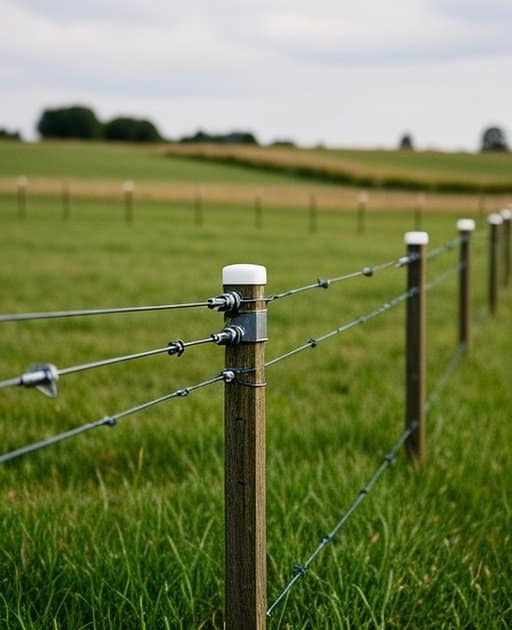
Loose or sagging wires reduce voltage transfer efficiency and allow animals to push through or step over. Maintain proper tension in high-tensile systems (200–250 pounds) and appropriate spacing between wires for target species.
Regular inspection identifies tension loss before it becomes critical. Wires showing significant corrosion or damage should be replaced—compromised conductivity reduces shock effectiveness across entire fence sections.
Safety Factors
Electric fences operate on pulsed high-voltage systems designed to deter, not injure, when properly maintained. Regular inspection prevents accidental exposure to damaged wiring, ensures output remains within safe parameters, and verifies warning signage remains visible.
Follow safety standards for installations near public access areas and residential boundaries. Proper maintenance protects both livestock and humans from electrical hazards.
Cost & Maintenance
Regular vegetation trimming and insulator replacement are inexpensive compared to livestock loss or complete system failure. Preventive maintenance costs typically range from $50–$200 annually for routine inspections and minor repairs.
Compare this to replacement costs for escaped livestock, predator losses, or complete system rebuilds ($500–$2,000+). For maintenance budgeting, see the Fence Cost & Budgeting guide.
Installation Complexity
Maintenance difficulty depends on system layout and design. Permanent high-tensile systems require periodic tension monitoring but infrequent adjustments. Temporary systems need more frequent voltage checks and adjustment.
Well-designed systems with proper grounding and minimal vegetation contact reduce maintenance burden significantly. For maintenance planning during design, see the Fence Planning Basics guide.
Legal & Boundary Considerations
Ensure electric fences meet local safety regulations, especially near public access areas, recreational trails, or residential boundaries. Some jurisdictions require specific warning signage, voltage limitations, or periodic safety inspections.
Maintain documentation of maintenance activities and safety compliance for liability protection. Regular inspections demonstrate due diligence in fence operation and livestock management.
Related Fence Systems
- Electric Fence Installation Guide – Complete installation procedures
- Electric Fence Chargers & Energizers Guide – Power system selection
- High Tensile Wire Fencing Guide – Permanent tensioned systems
- Wildlife & Predator Fencing Guide – Predator deterrence strategies
- Fence Planning Basics Guide – Layout fundamentals
Frequently Asked Questions
Why is my electric fence not shocking?
Common causes include poor grounding, broken wires interrupting circuit continuity, or vegetation shorts draining voltage—systematic troubleshooting identifies the specific problem.
How often should I test fence voltage?
Weekly testing is recommended during active grazing seasons, especially during peak vegetation growth periods when shorts are most likely to develop.
How many volts are required for sheep?
Sheep typically require 4,000–5,000 volts due to wool insulation that reduces shock effectiveness—higher voltage ensures adequate correction through fleece.
Can lightning damage an energizer?
Yes, surge protection should always be installed to prevent expensive energizer damage from direct or nearby lightning strikes.
What is the most common maintenance issue?
Vegetation contact with wires is the leading cause of voltage loss—regular mowing or trimming beneath fence lines prevents most common performance problems.
Final Recommendations
Electric fence maintenance is not optional—it is essential for system reliability and livestock security. Most fence failures result from grounding issues, vegetation shorts, or neglected inspections that allow minor problems to escalate.
Establish a regular inspection routine including weekly voltage testing during active seasons, monthly insulator and post inspection, seasonal vegetation control, and annual comprehensive system evaluation. Address minor issues immediately before they compromise entire fence sections.
Proper maintenance protects livestock, reduces long-term repair costs through preventive intervention, and ensures consistent fence performance. Use the linked guides above to develop maintenance schedules, learn diagnostic techniques, understand grounding requirements, and implement protection systems for optimal electric fence reliability.