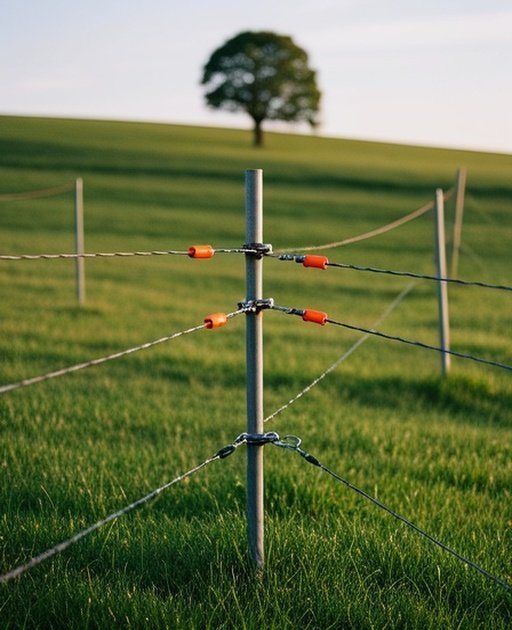
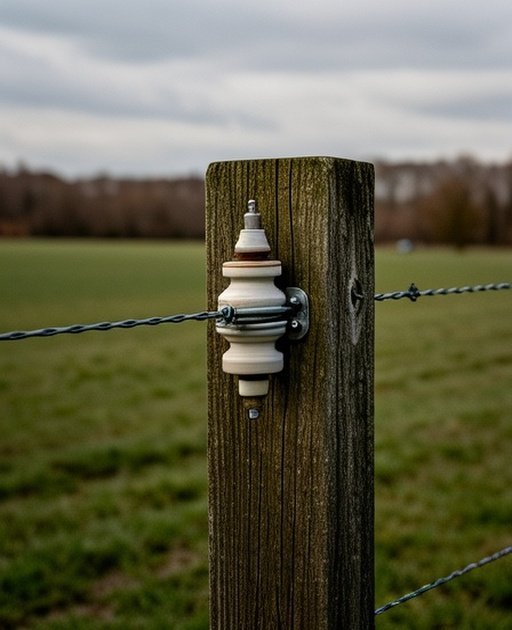
Electric fence safety and voltage management are critical for livestock containment, predator deterrence, and human protection. An electric fence must deliver sufficient voltage to create a psychological barrier while remaining safe for animals, people, and equipment.
Figure 1: How an electric fence circuit works (indicative).
Figure summary: A safe electric fence uses a low-energy, pulsed high-voltage shock (short pulses, not continuous current) that deters animals without harm. The pulse travels the live wire and returns through the soil to the earth rods; correct grounding keeps voltage effective and safe.
YouTube search query: “electric fence voltage testing tutorial for livestock”
What This Guide Covers
Safe Voltage Ranges for Livestock
Electric fence voltage that safely contains livestock without causing injury ranges from 2,000 to 9,000 volts depending on species, but the critical safety parameter is pulse energy (joules), not peak voltage. Standard livestock fence energizers deliver short pulses (approximately 1/300 second) at high voltage — this brief contact duration makes the shock startling but not dangerous. Continuous contact with a malfunctioning non-pulsed energizer is a serious hazard.
Recommended operating voltages: cattle — 3,000–5,000 volts; horses — 2,500–4,000 volts; sheep and goats — 4,000–7,000 volts; pigs — 3,000–5,000 volts. These ranges ensure an effective deterrent without causing injury. Voltages above 10,000 volts on standard livestock fence are unnecessary and indicate either poor fence design or a potentially dangerous non-pulsed energizer.
Electric Fence Hazards: What Can Go Wrong
Standard properly installed electric fence poses minimal risk to humans and livestock — the pulsed output of a certified energizer is unpleasant but not dangerous for healthy adults or animals. Hazards arise from specific failure modes: using non-pulsed energizers (mains-powered systems not designed for fence use), damaged or modified energizers that bypass safety circuits, or continuous contact where an entangled animal cannot escape.
Children should be taught that electric fences exist and explained the expected shock sensation before encountering one unexpectedly. Never connect a fence to mains power without a certified fence energizer — direct mains voltage (120V or 240V AC) is potentially lethal and illegal for fence use in most jurisdictions. Post warning signs at fence access points per local regulations.
Safe Voltage Levels for Horses
Horses are more sensitive to electric fence than cattle and may panic if shocked unexpectedly, leading to dangerous fence-breaking behavior. Effective horse fencing uses visible, high-contrast tape or braid rather than wire, energized to 2,500–4,000 volts — enough for a clear deterrent without provoking panic. High-visibility fence gives horses time to recognize the barrier before contacting it.
Never use barbed wire for horse fencing — panicking horses inflict severe lacerations attempting to escape. Electric fence with a physical board or rail fence provides the safest combination: the board fence gives horses a visible barrier to respect, and the electric offset deters leaning and chewing. Train horses to electric in a controlled situation before relying on it for primary containment.
Energizer Safety Certifications
Only use energizers carrying safety certification marks appropriate for your country: UL listing in the United States, CE marking in Europe, or CSA certification in Canada. These certifications confirm the energizer meets the IEC 60335-2-76 standard for electric fence safety, which limits pulse duration and energy to levels that cannot cause dangerous injury. Uncertified energizers may bypass these safety limits.
Warning signs of uncertified products: no certification mark visible, unusually low price for the claimed output, no manufacturer contact information, or claims of continuous (non-pulsed) operation. If an energizer delivers a sustained shock rather than a sharp pulse when touched, it is potentially dangerous and should not be used for livestock containment. Always purchase from reputable agricultural suppliers.
Identifying a Dangerous Fence
Several warning signs indicate an electric fence may pose serious risk. A fence that delivers a sustained (not pulsed) shock is operating with a non-standard energizer or has been connected directly to mains power — disconnect immediately. A fence where the pulse interval is longer than 1 second may be operating at higher energy than normal. These situations require immediate professional evaluation.
Entanglement is the most serious livestock risk — an animal caught in a fence and unable to free itself receives repeated shocks that can cause injury or death from exhaustion. Check fence tensions and spacings to ensure livestock cannot get legs or heads caught. Remove any wire mesh with openings that match livestock head size — these create entrapment situations where shocks prevent the animal from freeing itself.
Recommended Voltage Levels by Livestock
Recommended voltage levels for livestock vary by species based on hide thickness, hair/wool insulation, and behavioral characteristics.
Standard properly certified electric fence is not dangerous to healthy children or pets — it delivers a sharp, unpleasant shock rather than an injurious one. Post warning signs at fence access points per local regulations. Train children to recognize electric fence signs and explain the sensation clearly before they encounter one unexpectedly. Some parents install a push-button power cutoff at the main gate.
For properties with young children, use high-visibility fence tape or braid rather than wire. Secure the energizer in a lockable housing to prevent tampering. Ensure the energizer is a certified, pulsed-output unit — the safety margin between a properly functioning fence energizer and a dangerous one is the pulsed design that limits energy delivery per contact.
If your fence borders public land or roads
Electric fences along public roads or adjacent to public trails require warning signs at regular intervals — typically every 50–100 feet and at all access points. Most jurisdictions specify the sign text ('ELECTRIC FENCE') and minimum size. Review county or municipal fence ordinances before installation along property boundaries that border public land.
Fence lines along roads should be set back from the road shoulder so that a person walking along the road edge cannot accidentally contact the fence. Minimum setback distances vary by jurisdiction but 3 feet from the traveled way is a common standard. Ensure energizer output is within the legal range for your country — most restrict maximum voltage to 10,000 volts peak.
If Voltage Is Too Low
When voltage reads below species-specific thresholds, check grounding rods for corrosion or inadequate depth, inspect fe
Proper strand spacing prevents accidental contact while improving voltage efficiency. Lower wires should remain 6–12 inches above ground and clear of vegetation to prevent grounding faults that drain voltage and reduce shock effectiveness.
Species-specific wire spacing ensures animals receive adequate shock exposure at appropriate body heights. Taller overall fence heights improve visibility but increase vegetation management requirements.
Safety Factors
Electric fences use short-duration pulses (typically 0.0003 seconds) designed to deter, not injure. Avoid continuous current systems which pose serious safety hazards. Always install warning signage near public areas, roads, and property boundaries.
Modern energizers meeting UL or international safety standards deliver high voltage but very low amperage in brief pulses—safe for humans and animals when properly grounded and installed.
Cost & Maintenance
Routine voltage checks reduce livestock escape risk and prevent energizer damage from undetected system failures. Vegetation control is a major factor in long-term voltage stability—budget for regular mowing or herbicide application beneath fence lines.
Annual maintenance costs typically range from $50–$200 for inspections and minor repairs. For maintenance budgeting and cost planning, see the Fence Cost & Budgeting guide.
Installation Complexity
Proper grounding, surge protectors, and insulated lead-out wire installation require attention to detail for safe operation. These critical components prevent safety hazards and ensure reliable long-term performance.
Professional installation ensures code compliance and proper safety measures. For DIY installations, follow manufacturer specifications precisely. For installation procedures, see the Electric Fence Installation guide.
Legal & Boundary Considerations
Many regions require warning signs along public-facing electric fences at regular intervals (typically every 100–300 feet). Check local livestock containment laws before installation—some jurisdictions restrict electric fencing near roads, schools, or residential areas.
Liability considerations demand proper signage, adequate voltage control (not excessive), and maintenance documentation. For legal compliance guidance, see the Local Fence Laws & Regulations guide.
Most livestock fences operate between 3,000–7,000 volts depending on species—cattle need 3,000–5,000 volts, while sheep require 4,000–7,000 volts. Predator pressure may demand 5,000–8,000 volts.
Is electric fencing safe for animals?
Yes. Modern energizers produce short pulses (0.0003 seconds) designed to deter without causing permanent harm when properly installed with adequate grounding.
Why is my electric fence reading low voltage?
Common causes include poor grounding, vegetation shorts draining voltage, broken insulators allowing current leakage, or damaged wire. Use the troubleshooting guide for diagnostics.
Can electric fences harm humans?
When installed correctly with proper grounding and meeting safety standards, they deliver a brief shock but are not lethal. Warning signs are recommended near public access areas.
How often should I test fence voltage?
Voltage should be checked weekly during active grazing seasons and immediately after storms or heavy vegetation growth to ensure adequate shock delivery.
Final Recommendations
Electric fence safety depends on proper voltage management, adequate grounding, appropriate energizer sizing, and regular inspection. Most performance failures are not caused by weak energizers but by grounding errors or vegetation contact that drain voltage.
Use this guide as your safety foundation, then refer to installation and maintenance pages for system-specific instructions. Always comply with local regulations and install warning signage to protect both livestock and humans.
Temporary & Portable Electric Fencing Guide Overview Temporary and portable electric fencing systems are designed for rotational grazing, seasonal paddocks, strip grazing, and short-term livestock…
Sheep Fencing Guide Overview Sheep fencing is designed to contain sheep safely while protecting them from predators and preventing escape. Because sheep are agile, curious,…
Permanent Electric Fencing Guide Overview Permanent electric fencing systems are designed for long-term livestock containment and perimeter security. Unlike temporary polywire or portable netting setups,…
YouTube search query: “electric fence voltage testing tutorial for livestock”
Explore More Fencing Guides
Find the right fence for your farm — browse by livestock type, material, or project need.