Short Answer
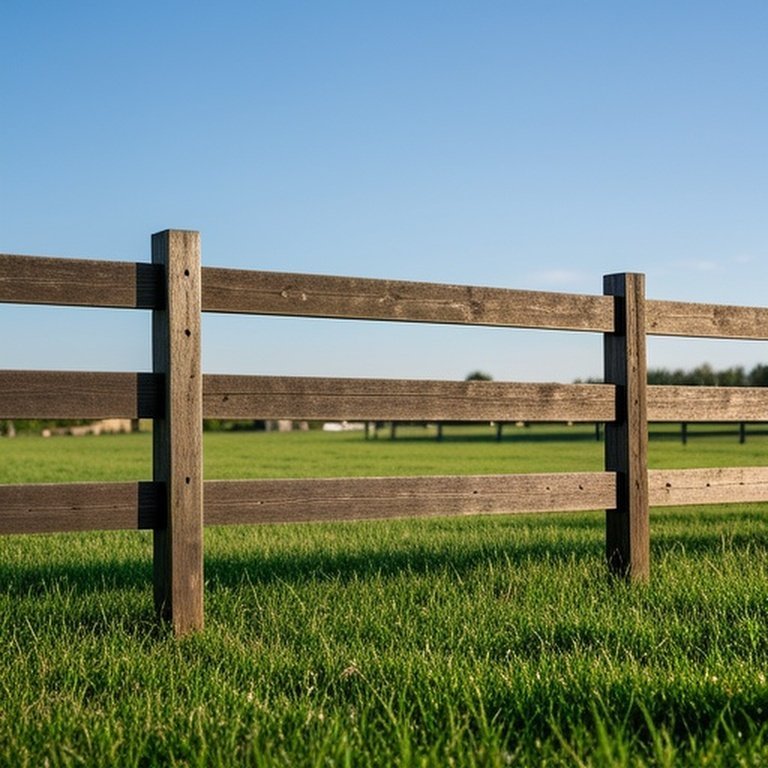
Fence rails for horses should typically be spaced 8–12 inches apart vertically, depending on the horse’s size and fence height. The bottom rail should sit 8–12 inches above ground level, and the top rail should reach 54–60 inches high. Spacing must prevent hoof entrapment and discourage horses from reaching through.
Why This Question Matters
Rail spacing is one of the most critical safety factors in horse fencing. Horses interact with fences differently than cattle or sheep. They lean, paw, reach through gaps, and may attempt to jump if startled. Improper rail spacing increases the risk of leg injuries, hoof entrapment, broken boards, and costly veterinary incidents.
Unlike wire-only systems, rail fences are highly visible, which helps horses respect boundaries. However, visibility alone is not enough. Gaps that are too wide allow horses to put their heads or legs through, while rails placed too close together increase material cost without necessarily improving safety. Correct spacing balances visibility, containment, and injury prevention.
Key Factors to Consider
- Horse size, breed, and maturity level
- Fence height and total number of rails
- Whether woven wire backing is installed
- Pasture versus paddock confinement use
- Stallions or high-energy horses in the herd
Detailed Explanation
Rail spacing for horses must prioritize injury prevention above all else. The most common and reliable configuration for a three- or four-rail fence places rails approximately 8–12 inches apart vertically. This range reduces the likelihood that a hoof can pass through while maintaining structural simplicity.
The bottom rail should generally sit 8–12 inches above ground level. Setting it too high creates a gap where foals or smaller horses may attempt to crawl under. Setting it too low increases moisture exposure and accelerates wood rot. Proper bottom clearance balances durability and containment.
For the upper portion, the top rail should reach 54–60 inches in height for most horses. The spacing between upper rails must discourage neck extension and prevent horses from leaning over. If gaps are too wide, horses may attempt to graze beyond the fence or interact with neighboring animals, increasing fence stress.
Adding woven wire behind rails changes spacing considerations slightly. In that case, rails primarily serve as visibility and impact resistance elements, while the wire provides containment. Without backing mesh, rail spacing alone must prevent limb penetration. In all cases, the goal is to eliminate openings large enough for a hoof to enter but small enough to maintain safe structural flexibility.
Extended Practical Considerations
How Horse Behavior Affects This Choice
Horses rely heavily on visual boundaries. Well-spaced rails create a clear psychological barrier, reducing the likelihood of collision. However, horses are also curious and social. They often reach through fencing to graze or interact with adjacent animals. Wider spacing increases the chance of neck or leg entrapment during these behaviors.
High-energy horses, especially when startled, may strike or kick fencing. Tighter spacing increases resistance to limb penetration and reduces the severity of impact-related injuries.
Foals vs Mature Horses
Foals and smaller breeds require closer spacing than large mature horses. Foals are more likely to roll, crawl, or explore fence gaps. If breeding or young stock are present, spacing should remain on the tighter end of the 8–12 inch range.
Mature horses, particularly stallions, exert greater pressure on upper rails. Ensuring consistent spacing and structural reinforcement reduces breakage in high-stress paddocks.
Terrain, Visibility, and Pressure Zones
Uneven terrain can create irregular vertical spacing if posts are not set consistently. This leads to variable gaps that increase entrapment risk. Maintaining consistent vertical measurement across slopes is critical.
Gates, corners, and feeding areas experience higher pressure. These zones may benefit from reinforced rails or additional backing mesh to maintain safe spacing integrity.
When This Works Well
- Single-horse pastures with moderate activity levels
- Clearly visible rail fencing in open terrain
- Properly maintained wooden or composite rail systems
- Paddocks without high predator pressure
- Operations not housing aggressive stallions
When This Is Not Recommended
- Housing foals without tighter lower spacing
- High-impact breeding environments with aggressive horses
- Areas with frequent wildlife intrusion
- Rail-only fencing without adequate structural support
- Poorly maintained wood prone to splitting or warping
Alternatives or Better Options
Rail with Woven Wire Backing
Combining rails with woven wire significantly reduces hoof entrapment risk while preserving visibility. This is often considered the safest long-term option.
No-Climb Horse Mesh
Specialized horse mesh fencing eliminates large gaps entirely and provides consistent spacing. Rails can still be added for visibility and strength.
Electric Offset for Reinforcement
A single electric offset wire placed along the top or interior discourages leaning and chewing without altering rail spacing.
Cost / Safety / Practical Notes
Closer rail spacing increases lumber and installation costs. However, wider spacing raises injury risk and potential veterinary expenses. The financial trade-off strongly favors safe spacing over minimal material savings.
Wood rails require regular inspection. Warping or splitting changes effective spacing over time. Composite materials maintain spacing consistency but come at higher upfront cost. Safety should always override aesthetic considerations.
Barbed wire is never appropriate for horses, regardless of rail spacing. Electric reinforcement should be used cautiously and visibly marked to prevent accidental impact.
Quick Takeaway
For most horses, vertical rail spacing of 8–12 inches with a top height of 54–60 inches provides a safe and reliable configuration. The goal is to prevent hoof entrapment while maintaining clear visibility and structural durability.