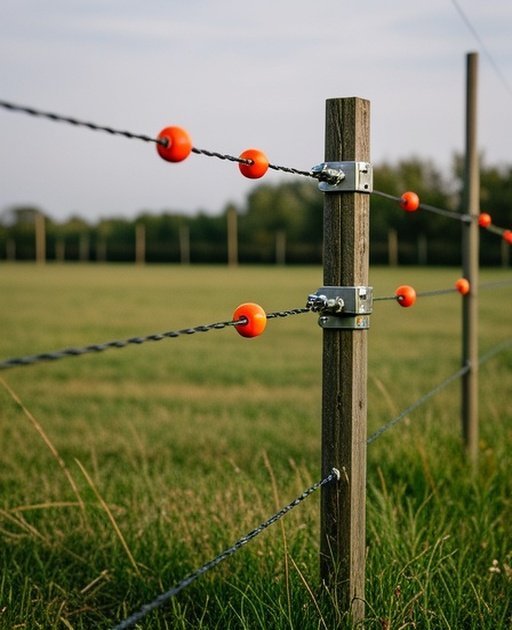
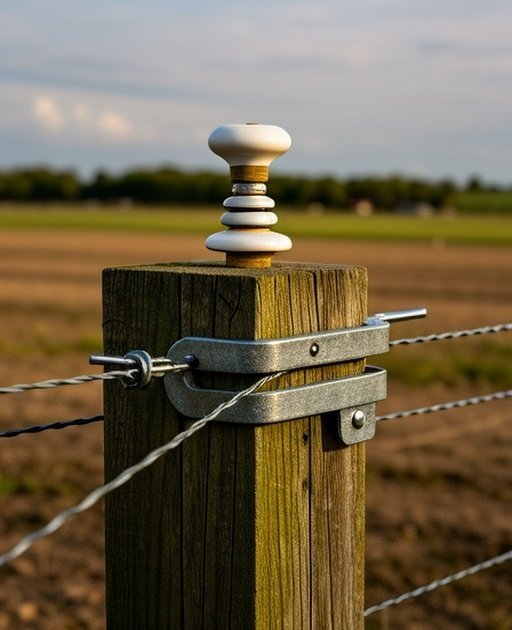
Vegetation control along livestock fence lines maintains electric fence performance, prevents wire corrosion and post deterioration, and enables effective inspection and maintenance access for cattle, horse, sheep, and goat containment systems. Uncontrolled vegetation creates electric fence shorting reducing voltage effectiveness, retains moisture accelerating wood post rot and wire rust, and obscures damage requiring timely repairs. Strategic vegetation management balances effort investment with fence longevity and operational effectiveness.
This guide explains clearing techniques from mechanical mowing to chemical herbicide applications, optimal maintenance frequencies, clearance width requirements, tool selection for safe efficient work, and long-term control strategies minimizing ongoing labor. It is designed for farmers, ranchers, and DIY fence builders managing pasture fencing systems, focusing on practical methods balancing cost effectiveness with fence performance and durability. Content addresses specific challenges including voltage reduction from vegetation contact, vine damage to structures, and seasonal growth variations affecting maintenance schedules.
This page does not cover lawn landscaping, ornamental gardening, or residential property aesthetics—focus remains strictly on functional livestock fence line management. For comprehensive fence maintenance beyond vegetation, review the Fence Inspection & Preventive Maintenance Guide.
YouTube search query: “How to clear vegetation along electric fence line properly”
What This Guide Covers
Why Vegetation Control Matters for Electric Fence
Vegetation touching an electric fence wire creates a partial short that drains energizer output and reduces fence voltage. A single heavy weed contact can drop fence voltage by 30–50%; multiple contacts across a long fence run can reduce voltage to ineffective levels despite a properly functioning energizer. Vegetation management is not optional maintenance for electric fence — it's the ongoing requirement that determines whether the fence works or fails.
Bare soil or short-trimmed vegetation under the fence line is the standard maintenance target. A 12-inch clear zone centered on the fence wire (6 inches each side) eliminates most vegetation contact issues. This zone is maintained by mechanical trimming (string trimmer run along the fence), chemical control (herbicide applied as a spot or band treatment), or both combined. Livestock grazing helps maintain low vegetation height near fences in many situations.
Mechanical Vegetation Control Along Fence Lines
String trimmer (weed eater) operation along fence lines is the most common vegetation control method for small operations. Run the trimmer head at the base of the fence posts, cutting vegetation within 6 inches of the fence wire on each side. On long fence runs, this is time-consuming — a 1-mile electric fence perimeter takes 4–6 hours to trim properly. Mowing equipment with offset heads or boom mowers on tractors covers more ground per hour on longer fence runs.
Timing matters for mechanical control: trim before vegetation reaches the fence wire rather than after contact has already occurred. In active growing seasons (spring and early summer), weekly trimming may be needed along high-growth sections. Later in the growing season as growth slows, biweekly or monthly trimming is often adequate. Establish a trimming schedule at the start of the season rather than responding after voltage problems appear.
Herbicide Use Along Fence Lines
Non-selective herbicides (glyphosate, triclopyr) applied as a band treatment under the fence line provide longer-lasting vegetation control than mechanical trimming. A 12-inch band centered on the fence wire, applied in early spring before growth reaches the fence, suppresses vegetation for 4–8 weeks depending on the herbicide and local growing conditions. Follow product label instructions for rates, timing, and buffer requirements near water features.
Selective grass herbicides allow broadleaf plants to continue growing while suppressing competitive grasses along fence lines. This approach is useful where broadleaf cover is wanted for wildlife or erosion control but grass competition is the primary fence-contact problem. Contact your local extension service for recommended herbicide products and rates appropriate for your region and specific weed species.
Gravel or Mulch Strips Under Fence Lines
A 12-inch strip of gravel or wood chip mulch under the fence line provides multi-year vegetation suppression with a one-time installation. Gravel is more durable (5–10 years before weed pressure breaks through) but more expensive to install. Wood chip mulch suppresses vegetation for 2–3 years before decomposing and requiring replenishment. Either approach significantly reduces ongoing vegetation management labor on fence lines that are difficult to access with trimming equipment.
Weed barrier fabric under gravel or mulch extends suppression life but adds installation cost. On fence lines adjacent to crop fields or orchards where herbicide drift risk limits chemical control options, physical mulch strips provide an effective alternative. Calculate the cost per year of a gravel installation versus annual trimming labor to determine which approach is more economical for specific sections of your fence line.
Livestock Grazing for Fence Line Management
Properly managed livestock grazing naturally suppresses vegetation height along fence lines without mechanical or chemical inputs. Rotational grazing systems that allow livestock access to fence line corridors during each rotation keep grass height low through normal grazing. Goats and sheep are particularly effective at consuming fence-line vegetation that cattle and horses leave behind, including some shrubby species that resist mechanical control.
The limitation of using grazing for fence line management is that livestock pressure concentrates at fence lines — cattle that stand along fence lines due to curiosity, shade, or pest-avoidance also compact soil, damage fence posts, and push on fence wire. Electric offset strands inside permanent perimeter fencing create a buffer zone that keeps livestock 2–3 feet from the fence line, allowing vegetation management by grazing without concentrated livestock pressure on the physical fence.
How Do You Keep Weeds from Shorting Out an Electric Fence?
Keeping weeds from shorting out an electric fence requires maintaining minimum 6-12 inch clearance between conductors an
When voltage testing confirms a fence short and vegetation is suspected, disconnect the fence from the energizer and walk the line looking for points where plants contact the wire. In active growing season, grass can reach the bottom wire within days of trimming — check the fence within 24–48 hours of a voltage problem appearing. Use an insulated stick or gloved hand to lift vegetation away from the wire and test voltage to confirm clearing the contact restores voltage.
After clearing the immediate short, establish a management plan to prevent recurrence. A string of dry weather that kills vegetation naturally is not a plan — the next rain will regrow the same plants. Systematic trimming on a set schedule, herbicide application, or a combination is the reliable long-term approach. Record vegetation trim dates so you can correlate them with voltage monitoring to establish the needed trimming frequency for your specific fence environment.
If you're building a new fence and want low maintenance
Design vegetation management into a new fence installation from the start. During fence construction, apply a pre-emergent herbicide or install gravel under the fence line before running wire. The cost of this upfront treatment is small compared to the ongoing labor of seasonal trimming. Position the fence so the lowest wire is 4–6 inches above normal grass height (not at ground level) to reduce but not eliminate vegetation contact.
Some producers burn the fence line annually in late winter before green-up — controlled burning eliminates accumulated dead vegetation and gives a clean start before the growing season. This requires dry conditions, appropriate burn permits, and proper technique. In fire-adapted grassland ecosystems, burning fence lines is a traditional maintenance practice that also benefits native grass recovery.
If Your Electric Fence Keeps Losing Power
Persistent electric fence voltage problems often stem from vegetation shorting—systematically walk fence lines during we
Vegetation impacts electric fence performance through multiple mechanisms—direct wire contact creating ground paths draining voltage, interference with grounding rod effectiveness in dry soil reducing shock delivery, moisture retention on plants improving conductivity increasing power drain, and seasonal growth variations creating intermittent shorting during wet periods. Tall dense vegetation can reduce shock from 5,000 volts to under 1,000 volts rendering fences ineffective. Soil conductivity variations affect grounding performance—sandy dry soils benefit from vegetation maintaining some moisture around grounding systems, while constantly wet conditions enable severe vegetation shorting. Balance vegetation control preventing wire contact while maintaining adequate soil moisture for effective grounding performance.
Mechanical Damage to Wire and Posts
Uncontrolled vegetation causes progressive mechanical damage—heavy vines create structural loads pulling wire downward causing sag and increased post stress, moisture retention against wooden posts accelerates rot reducing lifespan by 30-50%, constant dampness increases wire rust particularly affecting barbed wire and woven wire systems, and root growth near post bases can destabilize installations in loose soils. Vine prevention protects fence structures from cumulative damage requiring expensive repairs. Regular vegetation control extends fence lifespan significantly—well-maintained systems serve 25-40 years versus 15-25 years for neglected installations sufferingvegetation damage.
Cost vs Long-Term Maintenance Strategy
Vegetation control economics compare immediate labor costs against reduced repair frequency and extended fence lifespan—annual maintenance investments of $100-$300 per mile prevent $1,000-$3,000 in premature replacement costs over 10-20 year timeframes. Strategic control prioritizing critical areas maximizes return—electric fence lines demand aggressive clearing maintaining voltage, while traditional wire fences tolerate more vegetation without functional compromise. Calculate cost-per-year for various control strategies including equipment investment, labor time, chemical expenses, and reduced repair needs. Integrated long-term approaches combining methods typically prove most economical balancing effectiveness with reasonable effort.
Climate and Soil Conditions
Climate and weather factors dramatically affect vegetation growth rates and control strategy effectiveness—high rainfall regions with long growing seasons demand 3-4x more frequent maintenance than arid areas with limited growth periods. Humid climates accelerate moisture-related fence damage from vegetation making control more critical, while dry regions face different challenges including drought stress affecting herbicide effectiveness and dust accumulation on electric fence insulators. Soil fertility influences vegetation vigor—fertile bottomlands require aggressive control while poor rocky soils naturally suppress growth. Seasonal timing matters—spring and early summer control prevents seed production reducing future vegetation pressure.
Labor Efficiency and Tool Safety
Efficient vegetation control requires appropriate equipment matching task scale—investing $300-$800 in quality string trimmers or brush cutters pays for itself within one season through improved productivity versus inadequate tools causing frustration and extended labor time. Safety equipment including eye protection, hearing protection, heavy gloves, and appropriate clothing prevents injuries from flying debris, wire contact, and tool accidents. Safe trimmer operation near wire demands attention preventing tool contact causing wire damage or dangerous entanglement. Shut off electric energizers during maintenance preventing shock hazards. Regular maintenance scheduling during moderate weather improves comfort and efficiency versus emergency clearing during extreme heat or cold.
How often should vegetation be cleared along a livestock fence?
Vegetation clearing frequency varies seasonally—spring and early summer peak growth demands bi-weekly to monthly maintenance, while late summer and fall permits 6-8 week intervals. Electric fence systems require more frequent attention than traditional wire fences due to voltage sensitivity. Climate conditions dramatically affect growth—irrigated fertile pastures need 2-3x more frequent clearing than arid rangeland. Monitor voltage levels determining when vegetation control becomes necessary.
Can weeds completely disable an electric fence?
Yes, heavy weed contact can completely disable electric fences by draining all available current to ground rendering shock ineffective despite adequate energizer output. Dense tall vegetation contacting multiple wire locations creates numerous ground paths overwhelming energizer capacity. Livestock quickly learn fences are non-functional during high-vegetation periods, developing habits of going through fences even after vegetation is cleared. Prevent complete vegetation shorting through proactive control maintaining minimum clearance preventing wire contact.
Is herbicide safe around electric fence grounding rods?
Yes, herbicide application around fence posts and grounding rods proves safe when following product labels and avoiding direct overspray on metal components. However, complete vegetation elimination around grounding systems in dry sandy soils may reduce grounding effectiveness by eliminating moisture-retaining organic matter—maintain light vegetation coverage around ground rods in arid conditions while preventing tall growth contacting fence wires. Wet climate regions tolerate complete clearing without grounding performance issues due to adequate natural soil moisture.
What is the cheapest long-term vegetation control method?
Integrated vegetation control combining strategic herbicide strips under electric wires with periodic mechanical mowing for wider clearances typically proves most economical long-term. Initial herbicide costs $50-$200 per mile annually reducing mowing frequency 50-75%, saving $100-$300 in labor costs. Livestock grazing using goats along fence lines provides nearly free control for operations already managing browsers. Single-method approaches prove less economical than integrated strategies optimizing each technique’s strengths.
Does vegetation control improve fence lifespan?
Yes, regular vegetation control extends fence lifespan significantly—well-maintained systems serve 25-40 years versus 15-25 years for neglected installations. Vine prevention eliminates structural loads and moisture damage, clearing reduces rust and rot progression on wire and wooden posts, and improved visibility during inspections enables early problem identification preventing minor issues from becoming expensive failures. Vegetation control investments of $100-$300 per mile annually prevent $1,000-$3,000 in premature replacement costs over fence lifetime—clear positive return on maintenance investment.
Final Recommendations
Vegetation control represents essential livestock fence management preventing performance degradation, structural damage, and premature replacement while maintaining effective containment and property boundaries. This guide serves farmers, ranchers, and property owners managing pasture fencing systems where proactive vegetation management proves more economical than reactive repairs addressing vegetation-caused failures. Prioritize control along electric fence lines where vegetation most directly impacts functionality, then extend to traditional wire systems maintaining inspection access and reducing moisture-related deterioration.
Large-scale commercial operations or properties with severe vegetation challenges may benefit from professional land management services providing specialized equipment and expertise exceeding typical farm capabilities. For most livestock operations, combination approaches integrating strategic herbicide use, periodic mechanical clearing, and opportunistic livestock grazing provide optimal long-term vegetation control balancing costs with effectiveness. Next recommended reading includes Electric Fence Maintenance & Troubleshooting for voltage management, Fence Inspection Guides for systematic maintenance scheduling, and Fence Cost Planning resources for budgeting ongoing vegetation control as essential operational expense rather than optional maintenance deferrable during tight budget periods.
Short Answer Yes, you can spray herbicide around fence posts to control grass and weeds, but it should be applied carefully and selectively. Use targeted,…
Short Answer Electric fence posts should generally be set 12–18 inches deep for temporary fences and 24–36 inches deep for permanent electric fences. Corner and…
Sheep Fencing Guide Overview Sheep fencing is designed to contain sheep safely while protecting them from predators and preventing escape. Because sheep are agile, curious,…
Explore More Fencing Guides
Find the right fence for your farm — browse by livestock type, material, or project need.