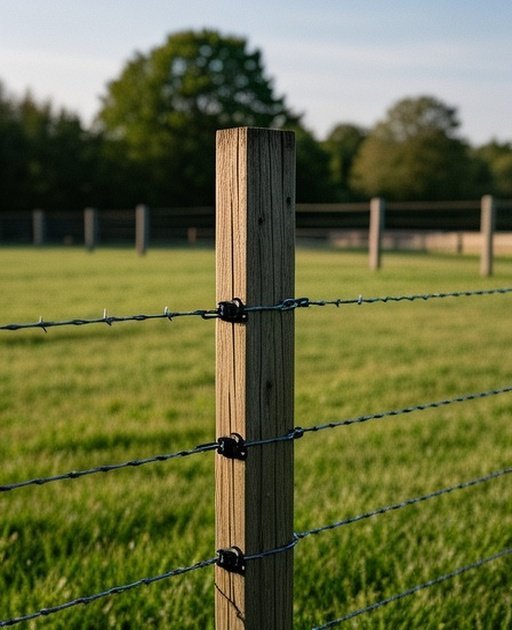
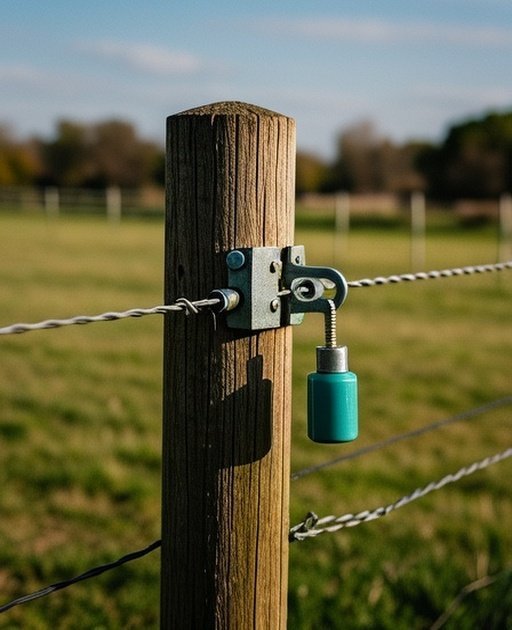
Climate and weather conditions play a major role in livestock fence durability, safety, and long-term performance. Extreme cold, heavy snow, strong winds, flooding, drought, and intense UV exposure can weaken posts, reduce electric fence voltage, corrode wire, and cause structural failure that compromises cattle, horse, sheep, and goat containment.
Frost heave is one of the most destructive forces on fence posts in cold climates. When soil freezes, ice crystals form and expand, pushing posts upward — a process that lifts posts 1–4 inches per season in severe cases. Posts set shallower than the local frost line are most vulnerable. The solution is simple but requires planning: set all permanent posts below the frost line depth for your region (available from USDA frost maps or your local extension office).
Spring post checking is essential in frost-prone regions. Walk the fence line after winter and check each post for heaving — push each post and check for rocking. Re-drive any heaved posts while the soil is still moist from spring thaw, when driving resistance is lower. Concrete-backfilled posts resist heaving better than native soil backfill because the concrete mass distributes freeze/thaw forces more evenly around the post.
Wind Load Considerations for Fence
High winds create lateral loads on fence panels that can topple lightweight post-and-rail fences, bow woven wire panels, and in extreme cases pull staples from wooden posts. Areas with sustained winds above 40 mph or frequent wind events require closer post spacing than standard — reduce line post spacing from 10 feet to 6–8 feet on exposed fence runs. Wood board fences act as sails in high wind; woven wire fences shed wind more effectively due to their open structure.
Windbreak integration with fence design reduces wind load while providing livestock shelter. A partial windbreak (50% density shelterbelts rather than solid barriers) reduces wind speed more effectively than solid barriers that create turbulence downstream. Plan fence lines to run perpendicular to prevailing winds where possible, and orient gate openings away from prevailing wind to prevent wind from blowing gates open.
Sun, UV Degradation, and Fence Materials
UV radiation from sunlight degrades non-UV-stabilized materials over time. The most common failure is in plastic insulators on electric fence — cheap white plastic insulators become brittle and crack after 2–3 years of direct sun exposure in hot climates, creating fence shorts. Always specify UV-stabilized insulators (typically gray or black) for any fence installation in high-sun regions or southern latitudes.
Polyethylene and polypropylene components (polywire, polytape, netting) also UV-degrade over time. Polywire and polytape used for permanent fencing should be replaced every 3–5 years in high-UV environments. Electric fence braid (UV-stabilized nylon with stainless conductors) lasts longer than standard polywire in sun-exposed applications. Store portable netting and polywire out of direct sun when not in use to extend service life.
Rain, Flooding, and Soil Erosion Effects
Heavy rainfall creates several fence maintenance challenges. Water flowing along fence lines erodes soil from post bases, creating the 'washout gap' under fences that predators and small livestock exploit. Inspect fence lines after heavy rain events and fill eroded gaps promptly. Grade the soil near post bases to drain away from posts rather than allowing water to pool, which accelerates rot in wooden posts.
Flooding presents more severe damage — debris carried by floodwater catches on fence and applies enormous tension. Fence lines in flood-prone areas should either be designed for easy removal and reinstallation (electric fence with step-in posts on seasonal floodplains), or designed to withstand debris loading (heavier posts, fewer strands that debris can bridge across). A fence destroyed by flooding and left in place blocks water flow and worsens future floods.
Snow Load on Fence Structures
Snow accumulation on solid fencing (board fence, privacy panels) creates significant downward and lateral loads. Woven wire and electric wire fences shed snow more effectively. In areas with consistent heavy snowfall, avoid solid panels for livestock fencing — use open-structure woven wire, electric wire, or split-rail designs that allow snow to pass through rather than accumulate. Solid panel fencing in heavy snow country requires post spacing of 6 feet maximum and deeper post setting.
Snow pack against fence lines creates problems as it melts — the compacting weight of dense snow can force fence wire down and hold it against the ground, shorting electric fence or creating gaps under physical fence. In areas with consistent deep snowpack, consider raising the bottom wire 12–16 inches above grade so that compressed snow pack doesn't bridge to the wire. This requires supplemental close spacing near the base during snow-free seasons for small livestock containment.
How Extreme Cold Affects Fence Materials
Extreme cold affects livestock fencing materials by increasing brittleness in wire systems creating snap risk under tens
High rainfall regions require rot-resistant post materials and drainage-conscious design. Use pressure-treated lumber rated UC4B for ground contact, or naturally rot-resistant species (black locust, osage orange, cedar) where available. Increase post diameter by one size compared to dry-climate recommendations — larger posts maintain integrity longer in wet conditions. Grade all gate areas to drain away from post bases where livestock traffic concentrates.
Galvanized wire lasts significantly longer than ungalvanized in high-moisture environments. Always specify Class 3 galvanized coating (the heaviest standard) for wire in high-rainfall or coastal-influence regions. Vinyl-coated wire provides additional corrosion protection where salt air from coastal exposure accelerates galvanized coating failure.
If you're fencing in an arid or desert climate
In arid climates, soil conductivity is often too low for conventional electric fence grounding — sandy or rocky soils don't carry return current effectively. Use a ground return wire system where alternating fence wires are connected to ground, so the animal contacts both live and ground wires simultaneously, completing the circuit without depending on soil conductivity. This configuration works reliably in conditions where soil-return systems produce weak shocks.
UV degradation of plastic components is accelerated in high-sun desert environments. Specify heavy-duty UV-stabilized insulators rated for desert conditions, and inspect all plastic components annually for cracking or brittleness. Replace plastic components proactively every 5 years in high-UV regions rather than waiting for failure — a cracked insulator causing a fence short can be difficult to locate along a long fence run.
If You Live in Heavy Snow Regions
Heavy snow regions demand prioritizing post depth below frost lines, snow drift clearance through added height, and mesh
In snow zones, perimeter fences may need to be 6–12 inches taller to compensate for drift buildup. Interior cross fencing may require seasonal adjustment or temporary removal in extreme accumulation areas. Standard species-specific heights prove inadequate when snowpack allows livestock to walk over fencing.
Heavy snow regions demand permeable fence designs reducing accumulation while maintaining containment. Consider terrain features creating drift zones. Review height and spacing standards before finalizing design.
Weather extremes create additional safety hazards including wire breakage under tension, post failure during storms, and compromised containment during emergencies. Design for worst-case scenarios. Review fence safety standards by climate zone.
Cost & Maintenance
Climate stress increases long-term repair frequency significantly impacting total ownership costs. Budget planning should factor seasonal inspection and weather-related maintenance costs. Harsh climates may require fence repairs or adjustments 2-4 times annually versus once every 2-3 years in mild conditions.
Annual maintenance cost correlates directly with climate severity—budget accordingly. Premium weather-resistant materials reduce long-term expenses despite higher initial investment. Review material durability comparisons by climate zone.
Cold-weather installation requires deeper post setting and frost-line compliance varying by region from 18 inches in mild climates to 48+ inches in severe freeze zones. Frost heave prevention demands specialized installation techniques including gravel backfill and proper drainage.
Hot climates require concrete footings in drought-prone sandy soils, while flood zones need elevated installation and reinforcement. Weather-specific installation increases labor costs 15-40% versus mild climate installation. Consult terrain and soil considerations before planning.
Coastal zones face additional restrictions on materials and setbacks. Wildfire zones mandate defensible space clearances. Confirm compliance before construction begins.
Wet vegetation and poor grounding can significantly lower voltage through power drains. However, rain typically increases conductivity creating stronger shocks when fencing contacts dry livestock or vegetation is controlled.
Dramatically. Harsh climates reduce fence lifespan by 30-60% compared to mild conditions without proper material selection and maintenance protocols. Climate-appropriate design and premium materials significantly extend durability.
Design with your climate in mind, and your fence will last decades instead of years. Invest in climate-appropriate materials, proper installation depth, adequate drainage, and weather-resistant construction—the initial premium pays for itself through reduced maintenance and extended lifespan.
Electric Fence Safety & Voltage Guide Overview Electric fence safety and voltage management are critical for livestock containment, predator deterrence, and human protection. An electric…
Sheep Fencing Guide Overview Sheep fencing is designed to contain sheep safely while protecting them from predators and preventing escape. Because sheep are agile, curious,…
Electric Fence Installation Guide Overview Electric fencing is one of the most efficient and cost-effective livestock containment systems when properly installed. However, performance depends heavily…
Explore More Fencing Guides
Find the right fence for your farm — browse by livestock type, material, or project need.